Join us
"Isn’t this all too good to be true?” You might ask. My answer is both, yes and no. Yes, it is too good to be true in that we are new, this vision is not yet fully realised, there are many more things to do! But I would also answer No, it is not too good to be true as what we have done so far has already changed many people’s lives - those are their words not mine. I am frequently told by people that they were a bit sceptical before starting because it can all sound too good to be true. But that once joining, reality had far exceeded their expectations. So we must be doing something right.
We continue to build towards our vision together. The trend is upward and rapid. If this sounds exciting to you then you are on the right page of our website already. You know what to do.


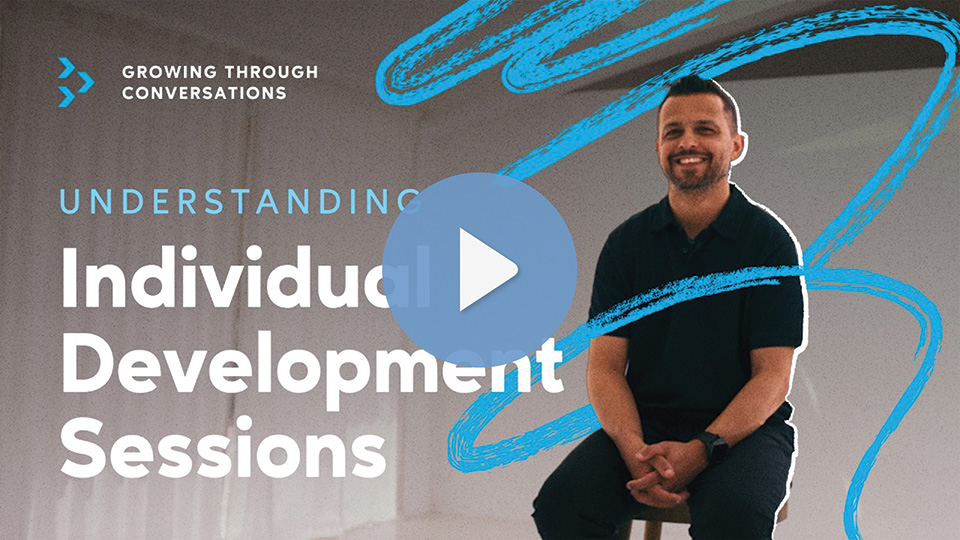
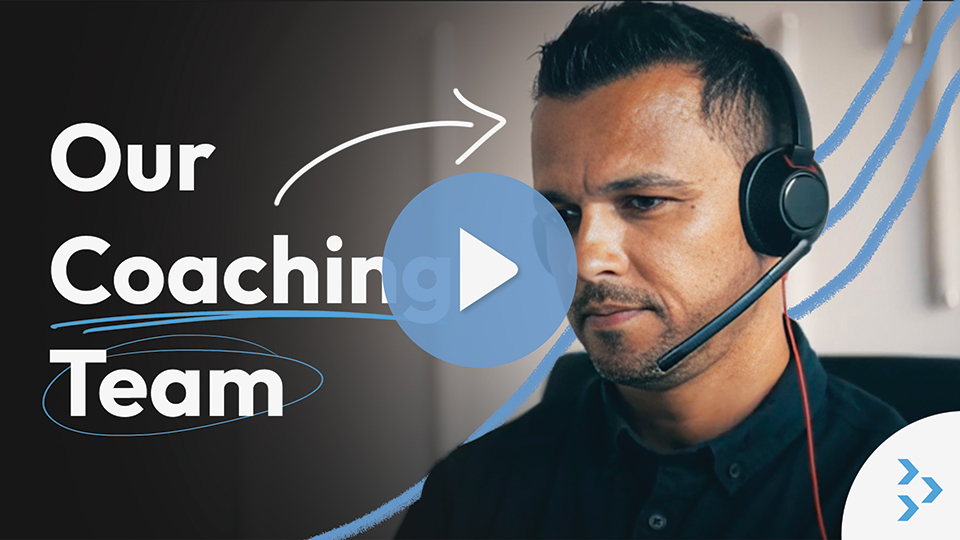
We have five full-time psychologists for a team of just over 250. Since 2022, everyone has been able to meet with theirs for an hour every month, and nearly the whole team does.
Each session is confidential and it belongs to you. It isn’t therapy or a performance review in disguise. It’s time to think honestly, out loud, with someone trained to help you see what you can’t see on your own. You bring the agenda. That might be a difficult decision you’re facing, the next step in your career, or whatever is holding you back from it. It’s your hour, so what you get from it is up to you.
Because our psychologists are in-house, they understand your context and build a long-term relationship with you. Over time, those conversations help you make steady progress towards goals you’ve chosen for yourself. What they see across the team also shapes the programmes we build, like the habit training below.
Talking about fears and development is part of everyday life here, not something hidden behind closed doors, and that makes our relationships with each other more open and honest.


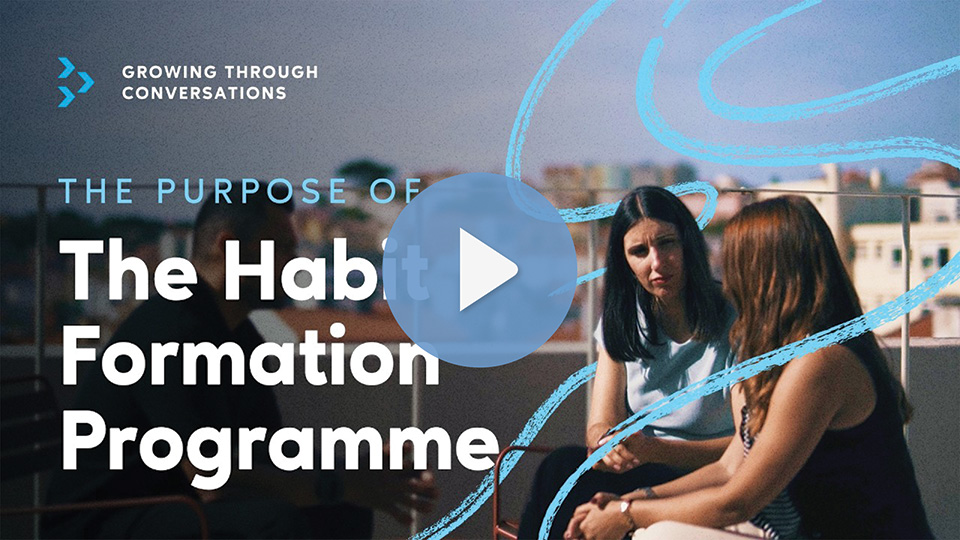
Working out what to change about yourself is the easy part. Actually changing it is where nearly everyone comes unstuck. Most development plans stop here: you write down who you want to become, everyone nods, and then you’re left to make it happen on your own.
But the hard part – making those changes real – is also the most important. Who we are is a result of what we do, so we developed a structured habit formation programme specifically designed to help you realise those changes. Our psychologists built it from what they see in their one-to-one sessions across the team.
You choose the one habit that matters most to you. Over five sessions, plus a follow-up a month later, you work at it deliberately, using a research-informed method and a way of measuring whether it’s really sticking. It takes far more than willpower and good intentions, which is just as well, because willpower on its own rarely holds. The programme gives you the method and the support.
The practice between sessions is yours, and that’s what makes the change last, one habit at a time.

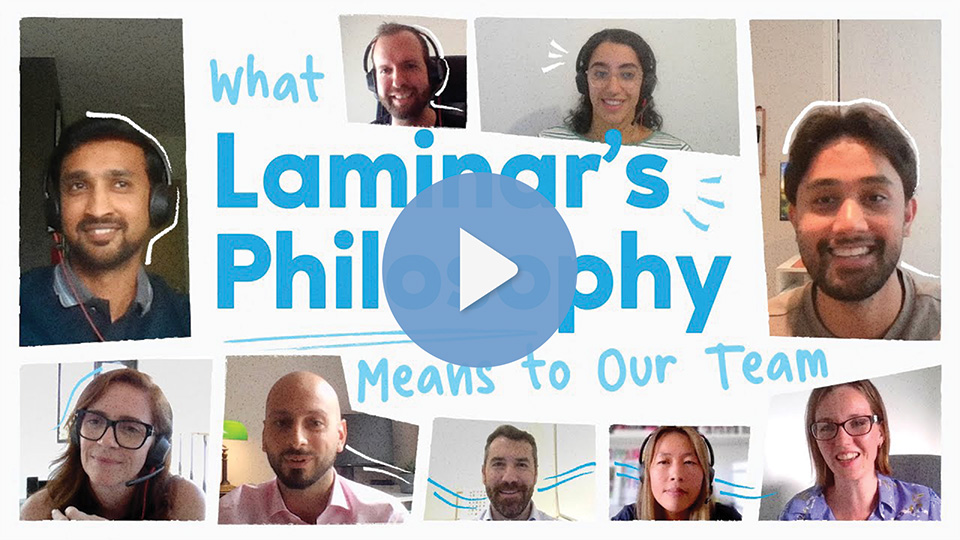
Feedback and coaching are simply part of how we talk to each other here. They don’t only come from your manager. They go peer to peer, in every direction.
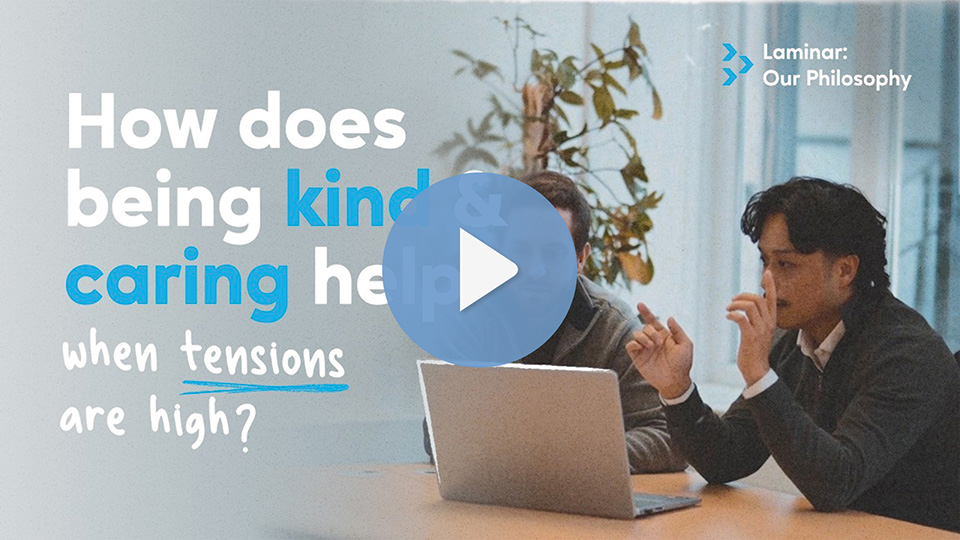
We try to be kind rather than merely nice. Niceness protects someone’s feelings in the moment. Kindness acts in their long-term interest, even when that means telling them something they’d rather not hear. So you’ll hear the honest version, given with care, and you’ll be expected to give it too.
It might be a colleague pointing out a mistake in your plan before the client sees it. A peer talking you through a challenging conversation you need to have. Or you telling a teammate their work isn’t ready yet, and helping them fix it.
We can’t guarantee you’ll flourish. That part depends on you: seeking out feedback, especially the kind that’s hard to hear, taking it in the spirit it’s meant, and helping the people around you grow. What we can promise is that you’ll be surrounded by people who’ll do the same for you.

Most of our team works from home, visiting sites and clients as projects demand. Come into the office and you’ll find Thirsty Thursdays (pizza, drinks, and the occasional turn on our karaoke machine), a free lunch from somewhere different on the first Wednesday of every month, and clubs for running, rock climbing, and badminton.
Remote teams get their own version of this: the EU team recently met in Barcelona, and the North UK team in Scotland, on top of regular team socials throughout the year.
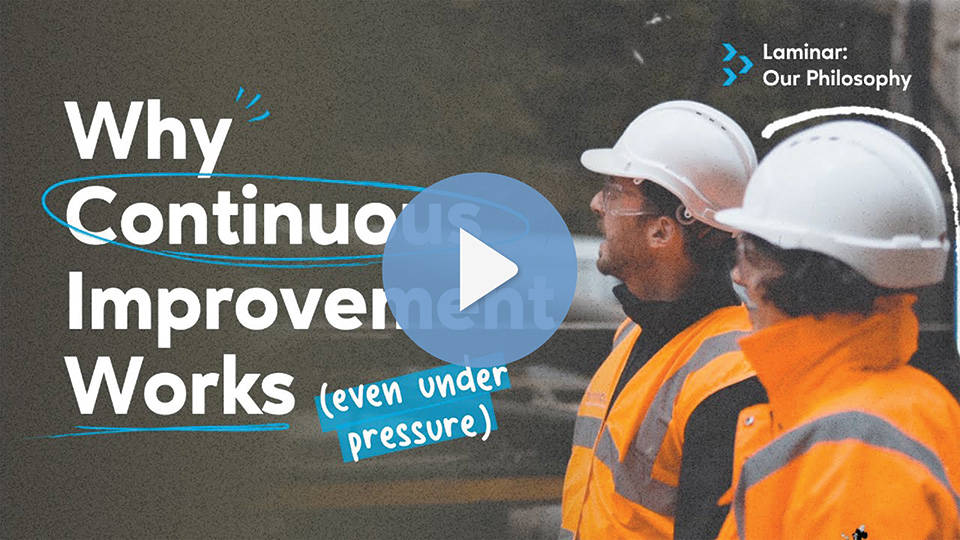
Staying connected goes beyond the socials. At our Project Spotlight and Laminar Way lunch-and-learns, people share what they’ve learned on live projects, so the lessons from one team reach everyone.